Agentschap Telecom
AI points inspectors to the greatest risk
How Agentschap Telecom uses data and machine learning to predict the likelihood of cable strike damage — helping inspectors focus their attention on the situations where the risk is greatest.

More targeted supervision of hundreds of thousands of excavation works
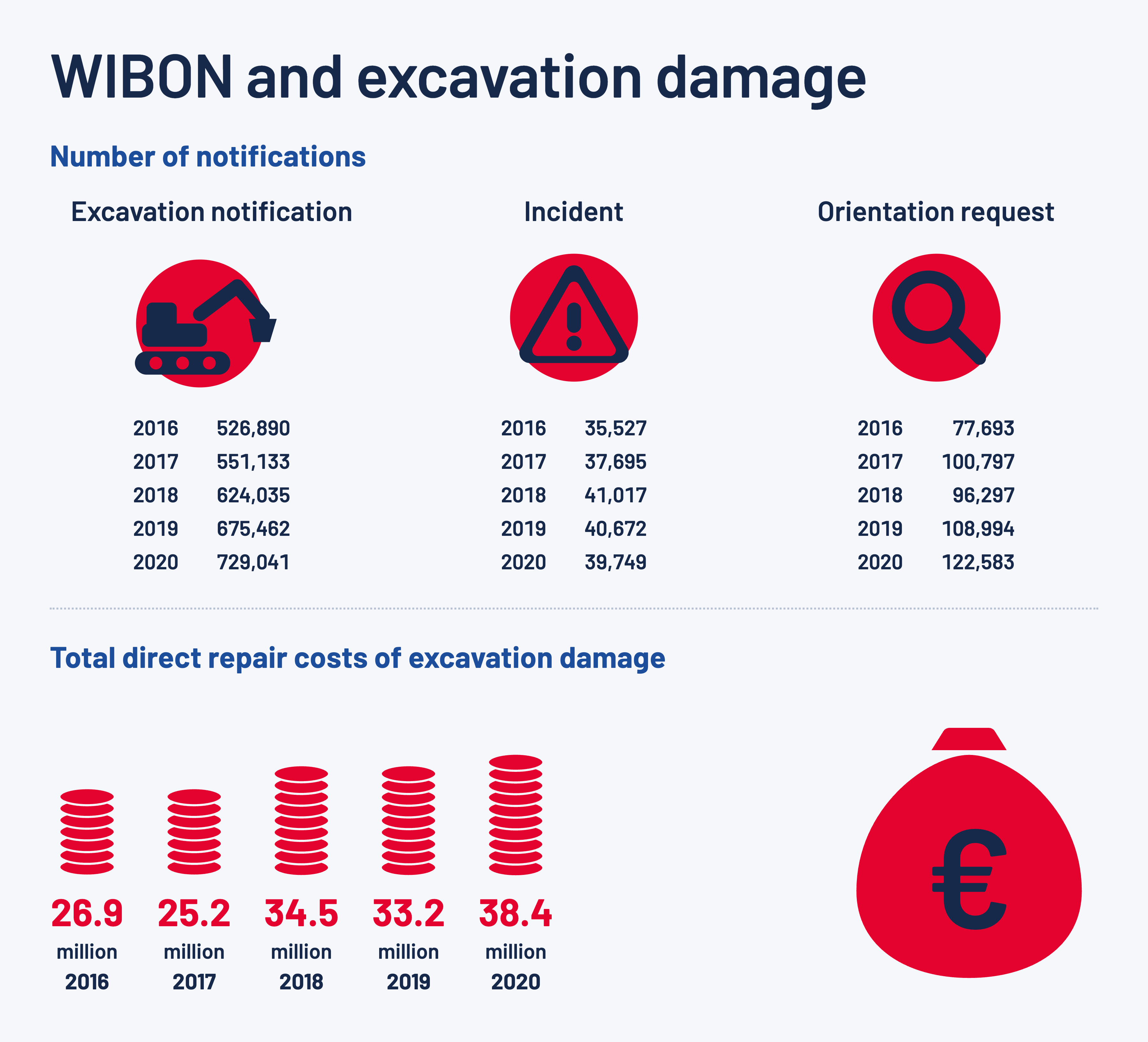
Around 700,000 mechanical excavation works take place in the Netherlands every year. Agentschap Telecom supervised compliance with the WIBON and carried out hundreds of inspections annually.
Damage to underground cables and pipes can have major economic and social consequences — direct repair costs rose to more than €38 million in 2020. At the same time, it's impossible to inspect every excavation activity: the challenge wasn't to carry out more inspections, but to better determine where supervision could have the greatest impact.
Combining data to make risk predictable
-
1
Gathering data
Map data, planned fibre-optic works, excavation notifications, weather information and historical damage data brought together in a single application.
-
2
Modelling risk
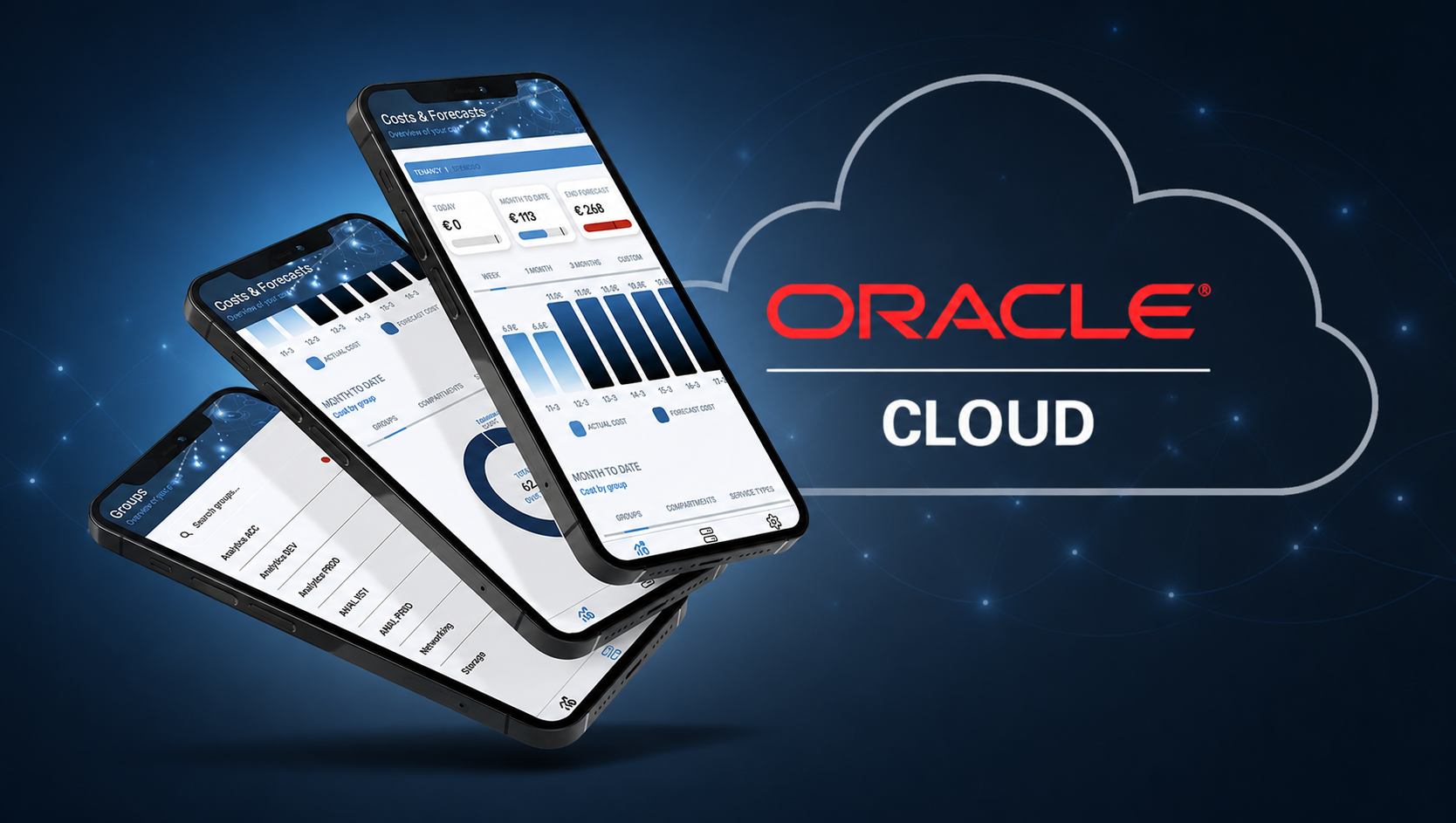
Full Orbit worked with Agentschap Telecom, DICTU and Oracle to translate this data into a predictive machine learning model.
-
3
Predicting the likelihood of damage
A Random Forest model estimates the likelihood of damage for each excavation notification, based on historical and current characteristics.
-
4
Prioritising inspections
Inspectors can focus their limited capacity more effectively on the notifications with the highest risk.
A risk score for every excavation notification
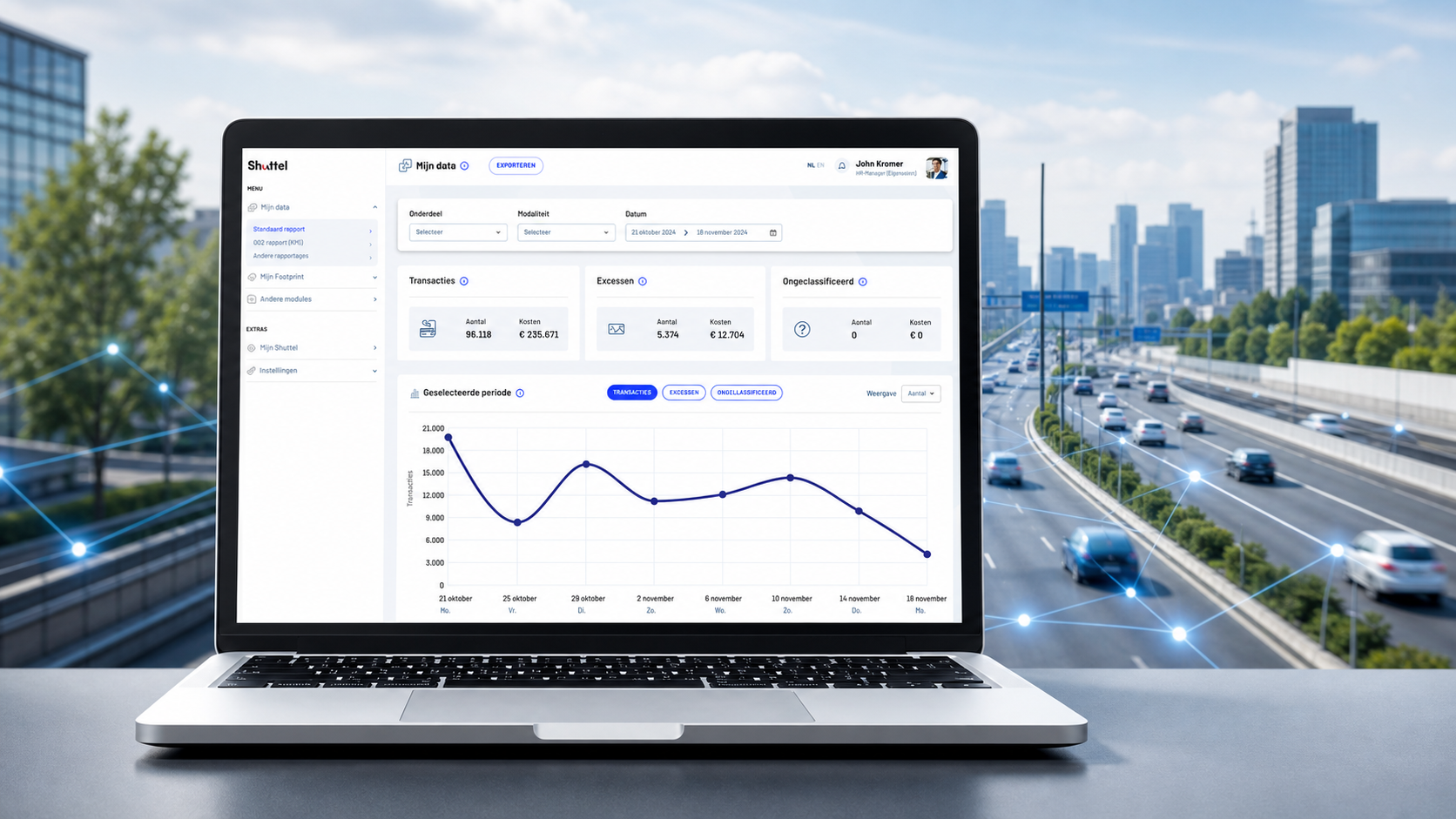
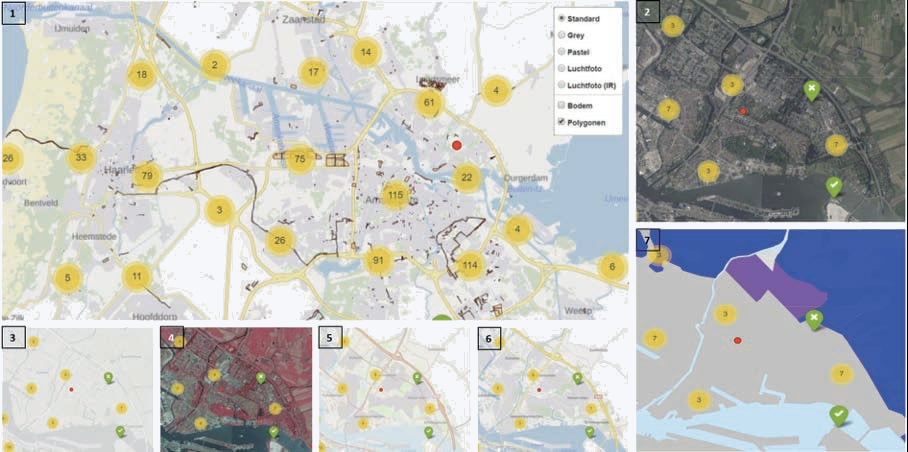
In an interactive application, inspectors could see relevant information about excavation notifications in their area in one place — from current map data to planned fibre-optic works and historical damage data.
On top of that, a machine learning model (Random Forest) predicts, based on historical data, how likely cable strike damage is for a new excavation notification. The result: every notification gets a risk indicator that helps inspectors prioritise their work more effectively.
Data drives the inspection schedule
By combining multiple data sources and developing a predictive model, Agentschap Telecom gained a data-driven basis for deploying scarce inspection capacity more effectively.
Download the case studyA concrete foundation for risk-based supervision
Accurate predictive model
The predictive model classified 82% of predictions correctly — evidence that historical and current data can reliably estimate the likelihood of cable strike damage.
Faster model training
By running machine learning closer to the data (Oracle Machine Learning for R), training time for the model was significantly reduced.
Reliable risk prediction
62% of the damage cases predicted by the model turned out to be genuine damage (PPV) — an important indicator for risk-based supervision, where inspectors focus their attention on the notifications with the highest predicted likelihood.
The high economic damage caused by cable strikes, combined with having access to a large number of relevant data sources, made fibre-optic-related cable strike damage a relevant theme for us to start a pilot. The aim of this was to use data analysis to reduce the number of cable strike damage reports.
Want to get more value from the data you already have?
Full Orbit helps organisations translate data, analytics and AI into concrete applications that improve decision-making and make processes smarter.